CulinaryGuide
Mallorca olive oil: the DOP, the varieties and where to taste it
Our print guide called it green gourmet gold. Here is what the Oli de Mallorca seal guarantees, how the island's olives differ, when the harvest happens and which estates and mills welcome you in.
 Placeholder image
The short answer
Look for the Oli de Mallorca seal: a protected designation of origin since 2002 for extra virgin oil grown, pressed and bottled on the island from Mallorquina, Empeltre, Arbequina and Picual olives. The harvest runs from autumn into winter. To taste it at source, visit Son Moragues near Valldemossa, Aubocassa near Manacor or the Sóller cooperative.
Key takeaways
- Oli de Mallorca has been a protected designation of origin since 2002; certified bottles carry a numbered seal you can check on the DO's website.
- The DO covers four varieties: Mallorquina, Empeltre, Arbequina and Picual.
- Oil from ripe olives is the mild, sweet style; oil from green olives is the fruity, more bitter and peppery style.
- The harvest runs from about October into December, with early-harvest oils starting at the end of September.
- Son Moragues near Valldemossa and Aubocassa near Manacor offer tastings and visits; Caimari holds its olive fair in late November.
On this page
The best olive oil in Mallorca carries the Oli de Mallorca seal, and the best way to buy it is from the estates and mills that make it. Old trees on the terraces of the Serra de Tramuntana and newer groves in the centre, south and east produce oils that range from mild and sweet to green, bitter and peppery.
Production is small, limited by the island's geography, climate and the great age of many of its trees, so good bottles can sell out before the next harvest. That makes knowing where to go, and when, worth the effort.
What does the Oli de Mallorca designation of origin guarantee?
The Oli de Mallorca DOP, recognised in 2002, guarantees that the olives were grown on the island and that the oil was pressed and bottled there. It covers extra virgin olive oil only, obtained by physical processes alone, so nothing is refined or added.
Every certified bottle carries the Consell Regulador's guarantee seal, and the producer's own label shows its DO registration number. On the DO's website you can enter the code from the cap or neck label to check the oil.
Not every oil sold on the island is Mallorcan, and not every Mallorcan oil is extra virgin, so the seal is the quickest check. A separate designation, Oliva de Mallorca, covers the island's table olives.
Which olive varieties grow in Mallorca, and how do they taste?
The DO names four varieties: Mallorquina, Empeltre, Arbequina and Picual. Mallorquina is the island's traditional olive, and many producers use the names Mallorquina and Empeltre for the same tree. Arbequina and Picual are mainland Spanish varieties also grown on the island.
| Variety | Background | In the glass |
|---|---|---|
| Mallorquina (Empeltre) | The island's traditional olive, grown for centuries on the Tramuntana terraces | Mild and slightly sweet with a hint of ripe almond when picked ripe; greener and sharper when picked early |
| Arbequina | A mainland variety named after Arbeca in Catalonia | Fruity and soft with a sweet note; good with salads and fish |
| Picual | The classic olive of Andalusia | Firmer, with a light bitterness that gives blends structure |
Ripeness matters as much as variety. The DO recognises two styles: dolç (sweet), pressed from ripe olives for a mild flavour, and afruitat (fruity), pressed from green olives, with more bitterness and pepper. Many producers blend varieties to balance the two.
When is the olive harvest in Mallorca?
The harvest runs from autumn into winter, roughly October to December, depending on altitude, variety and the style the producer is after. Early-harvest oils come first: Oli de Santanyí starts picking by hand at the end of September or in early October.
On traditional estates, nets are laid under the trees and the olives are combed or picked by hand, then taken quickly to the mill. Son Moragues near Valldemossa still harvests by hand and presses at its own mill using cold extraction.
Yields swing sharply from year to year. In the 2024 to 2025 season the Balearic olive harvest fell to about 1,386 tonnes, almost 79 per cent below the year before, and some producers sold out of the 2025 vintage well before the next picking began.
Where can you taste or buy Mallorcan olive oil at source?
The DO lists 18 registered mills and bottlers across the island. These are the addresses that welcome visitors or sell directly, from west to east. Formats and times change with the season, so book or check before you set off.
Son Moragues, Valldemossa
An estate of old olive groves, gardens and woodland above Valldemossa, shaped in the 19th century by Archduke Ludwig Salvator, whose oil won its first international award at the 1888 world fair in Barcelona. The land has been farmed organically since 2006. The estate offers guided walks, oil tastings and workshops, and its shop in the village holds tastings with a view of the Charterhouse.
Cooperativa Agrícola de Sóller
The Sant Bartomeu cooperative in Sóller, more than 125 years old, presses its members' olives and opened an organic mill in 2025. Its shop sells the cooperative's DO oil alongside other local produce, and the Sóller valley's terraces make a fine walk before or after.
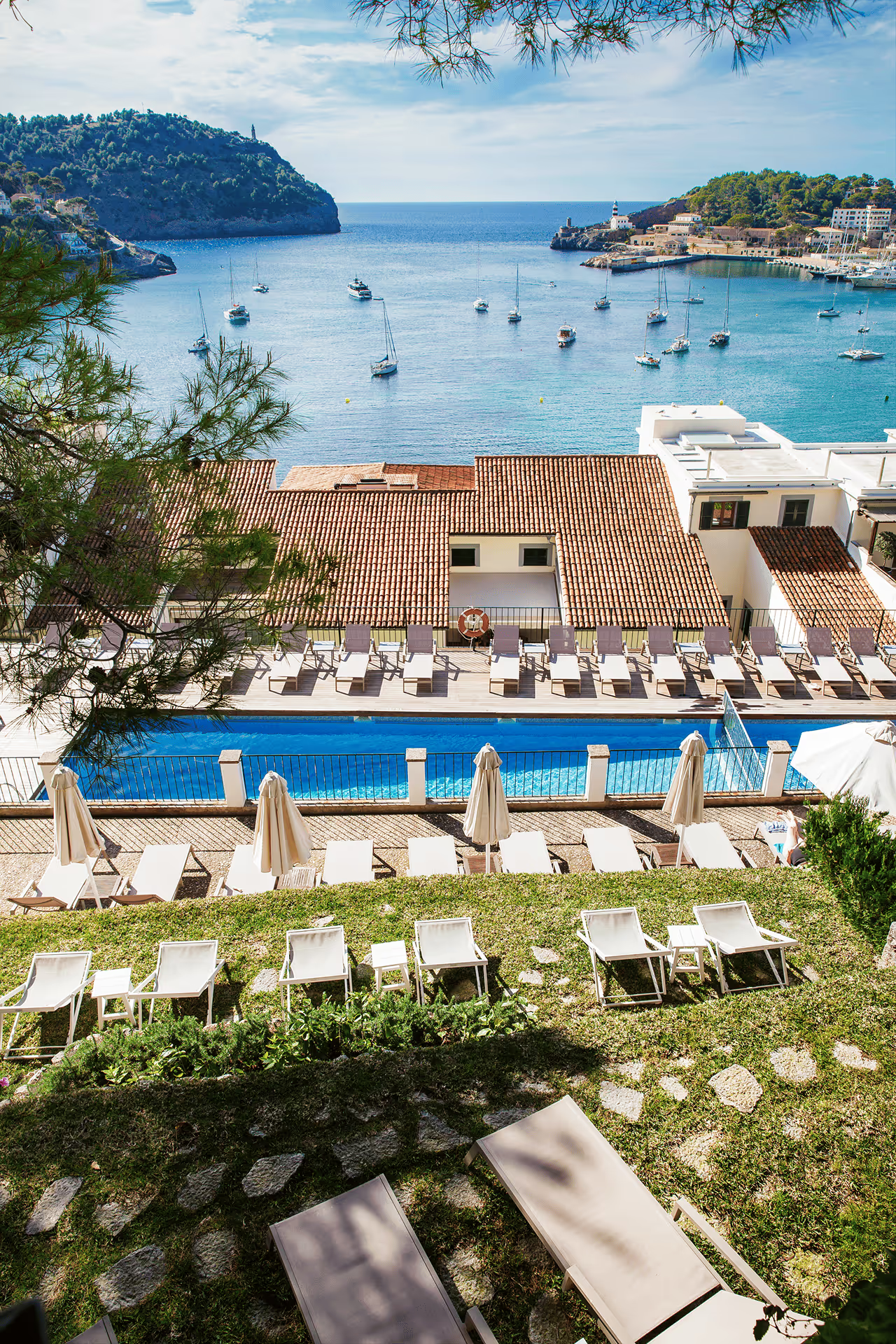
Harbour Views & Sunsets · Hotels
Hotel Espléndido
A seafront base in Port de Sóller for exploring the valley's olive terraces and the cooperative in town.
Bodega Ribas, Consell
Mallorca's oldest winery is not a DO mill, but the family once ran its own oil press, and its guided tours pour the estate's olive oil alongside three wines. It is an easy way to taste oil and wine together in the centre of the island.
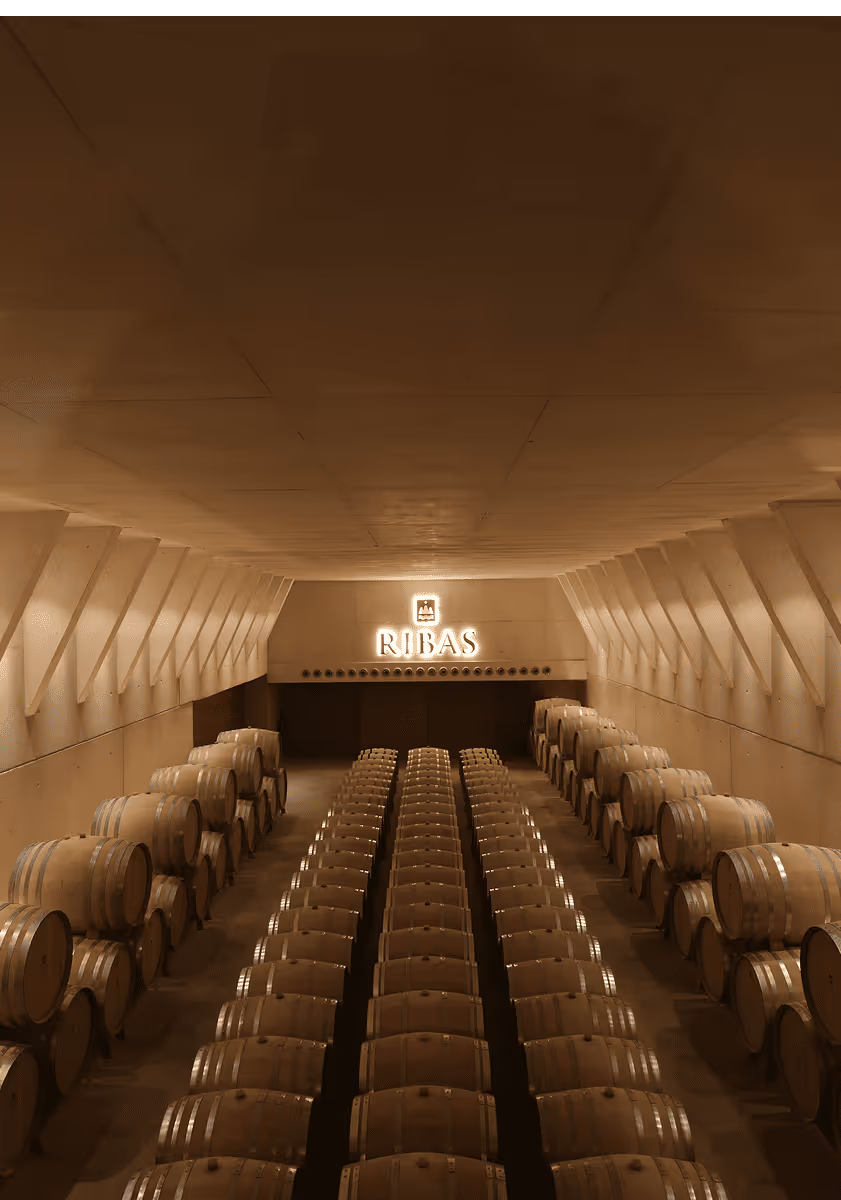
Oldest Winery On The Island · Bodegas
Bodega Ribas
Making wine in Consell since 1711, with courtyard tastings and guided tours by reservation.
Aubocassa, Manacor
A former 12th-century farmstead in the east of the island, Aubocassa makes a single-variety Arbequina oil and L'Amo, a blend of Arbequina and Picual. Visits and tastings can be booked through its website, and the oils are sold in its online shop.
Oli de Santanyí, Santanyí
Founded by Dirk Müller-Busch and Ana Martinez near the Mondragó Natural Park, this organic producer presses an early harvest of Empeltre, Picual and Arbequina in its own purpose-built mill. Its oil has won gold medals in New York, Los Angeles and Córdoba. There are no regular mill visits, so buy online, or combine the area with our Santanyí day trip.
| Mill | Town | Area |
|---|---|---|
| Es Verger | Esporles | West |
| Finca Can Axartell | Pollença | North |
| S'Oliera Son Catiu | Inca | Centre |
| Castellitx Agrícola | Algaida | Centre |
| Agrocanfeliu | Porreres | Centre |
| Son Mesquidassa | Felanitx | South-east |
How do you choose, store and use a good bottle?
- Look for the DO seal and registration number, and the harvest year where it is given.
- Ignore the colour: it says little about quality.
- Good extra virgin oil smells of fresh fruit and finishes with a slight bitterness and a peppery catch at the back of the throat.
- Store it somewhere cool and dark, tightly closed, and use it rather than save it for best.
- Use mild, sweet oils raw on fish and salads, and fruitier, peppery ones on bread, tomatoes and grilled meat.
For a last word from our print guide: blend two parts Mallorcan oil, one part Hierbas de Mallorca liqueur and two parts pear juice with ice until creamy. You will find more island producers in our culinary guide and the shops we recommend, and the oil's role on the plate in our guide to Mallorca as a food destination.
Places in this story
Oldest Winery On The Island · Bodegas
Bodega Ribas
Making wine in Consell since 1711, with courtyard tastings and guided tours by reservation.
Harbour Views & Sunsets · Hotels
Hotel Espléndido
A seafront base in Port de Sóller for exploring the valley's olive terraces and the cooperative in town.
Questions readers ask
What is Oli de Mallorca?
Oli de Mallorca is the island's protected designation of origin for extra virgin olive oil, recognised in 2002. It guarantees that the olives were grown in Mallorca and that the oil was pressed and bottled there, by physical processes only. Certified bottles carry a numbered seal from the Consell Regulador.
Which olive varieties are used for Mallorcan olive oil?
The DO covers four varieties: Mallorquina, Empeltre, Arbequina and Picual. Mallorquina is the island's traditional olive, and many producers treat Mallorquina and Empeltre as the same tree. Most oils are blends.
When is olive harvest season in Mallorca?
The harvest runs from autumn into winter, roughly October to December. Producers of early-harvest, fruity oils start at the end of September or in early October, while sweeter oils come from riper olives picked later.
Can you visit an olive oil estate in Mallorca?
Yes. Son Moragues near Valldemossa offers guided walks and tastings, and Aubocassa near Manacor takes bookings for visits and tastings. Bodega Ribas in Consell serves its own olive oil on its winery tours. Book ahead and check formats, as they change with the season.
Where can I buy Mallorcan olive oil?
Buy at source from DO mills and estates such as Son Moragues, the Sóller cooperative or Aubocassa, or online from producers such as Oli de Santanyí. Check for the Oli de Mallorca seal and its registration number on the bottle.
Sources and checks
- Mallorquissimo print guide
- DO Oli de Mallorca: official website
- DO Oli de Mallorca: the oil, varieties and styles
- DO Oli de Mallorca: registered mills and bottlers
- Fundació Mallorca Turisme: Mallorcan gastronomy and protected products
- Mallorca.com: Mallorcan olive oil, varieties and origins
- Mallorca.com: Finca Son Moragues
- Helen Cummins: Son Moragues
- Ara Balears: the new organic olive oil mill in Sóller
- Oli de Santanyí
- Aubocassa
- Mallorca.com: Bodega Ribas
- Illes Balears tourism: Fira de l'Oliva de Caimari
- See Mallorca: Hotel Esplèndido, Port de Sóller
About the author