Explore the islandPlaces
Central Mallorca guide: wine villages, markets and Puig de Randa
The island's flat heart, Es Pla, and the wine belt at the foot of the mountains are where Mallorca still farms, trades and celebrates: vineyards around Binissalem, the markets of Sineu and Inca, and a holy mountain with a view of the whole island.
 Placeholder image
The short answer
Central Mallorca is the island's farming and wine heart, 20 to 40 minutes from Palma. Taste Manto Negro in the Binissalem wine villages of Santa Maria del Camí and Consell, go to market in Sineu on Wednesday or Inca on Thursday, visit Petra, and drive up Puig de Randa to the Cura sanctuary for a view across the whole island.
Key takeaways
- The Binissalem wine denomination covers five villages: Santa Maria del Camí, Consell, Binissalem, Santa Eugènia and Sencelles.
- Sineu's market is on Wednesday, Inca's on Thursday; in 2026 Inca's Dijous Bo fair falls on 19 November.
- The Santuari de Cura, on top of Puig de Randa, is tied to Ramon Llull and looks out over the whole island.
- Trains from Palma stop at Santa Maria, Consell, Binissalem and Inca, and continue to Sineu and Petra.
- There is no coast here: come for wine, markets, villages and walks, and swim on the bays half an hour away.
On this page
- What is central Mallorca like, and who does it suit?
- Which towns and villages in central Mallorca are worth knowing?
- Can you swim or walk in central Mallorca?
- Which days are the markets in central Mallorca?
- Where should you eat, shop and stay in central Mallorca?
- How do you get to central Mallorca, and when should you go?
- What does one perfect day in central Mallorca look like?
Central Mallorca is the island most visitors drive straight through, and the one residents love most. It is two landscapes: the wine belt at the foot of the Serra de Tramuntana, around Santa Maria del Camí, Consell and Binissalem, and Es Pla, the flat plain of fields, almond trees and stone villages further east.
There are no beaches. Instead there are vineyards and wineries, the island's oldest markets, churches far bigger than their villages and a holy mountain with a view of the whole island. This guide is our own selection, built on our print guide and rechecked for today.
What is central Mallorca like, and who does it suit?
It suits travellers who care about food, wine and village life more than the beach, and anyone looking for a finca within easy reach of Palma. The wine villages are 20 to 30 minutes from the capital on the motorway to Inca, which makes the area popular with families who live here all year.
Life follows the farming calendar: almond blossom in late winter, the grape harvest in September, olives in autumn and the great November fair in Inca. Go in one of those moments and you see the island as it sees itself.
Which towns and villages in central Mallorca are worth knowing?
Pick two or three and give them time; the pleasure is in the squares, the markets and the lunches. The table runs roughly from Palma outwards.
| Town | What it is | Best for |
|---|---|---|
| Santa Maria del Camí | Wine village on the old road to Inca | Design shops, lunch, Sunday market |
| Consell | Small wine village next door | The island's oldest winery, Sunday flea market |
| Binissalem | The wine town that gives the denomination its name | Wineries, the September harvest festival |
| Sencelles | Quiet farming village among vineyards | Country lanes, cycling, a rural stay |
| Inca | Market town built on leather and shoes | Thursday market, Dijous Bo, leather |
| Sineu | Old market town in the middle of Es Pla | The Wednesday market |
| Petra | Quiet village of stone houses | Junípero Serra's birthplace |
| Algaida and Randa | Villages at the foot of Puig de Randa | The sanctuaries and the view |
The wine villages: Santa Maria del Camí, Consell and Binissalem
The Binissalem denomination of origin covers five municipalities: Santa Maria del Camí, Consell, Binissalem, Santa Eugènia and Sencelles. Its signature grape is the native red Manto Negro, alongside Callet and the white Moll. The wines are made in a belt of vineyards sheltered by the Tramuntana, and many of the wineries take visitors by appointment.
Start in Consell, at the winery that has been here longest.
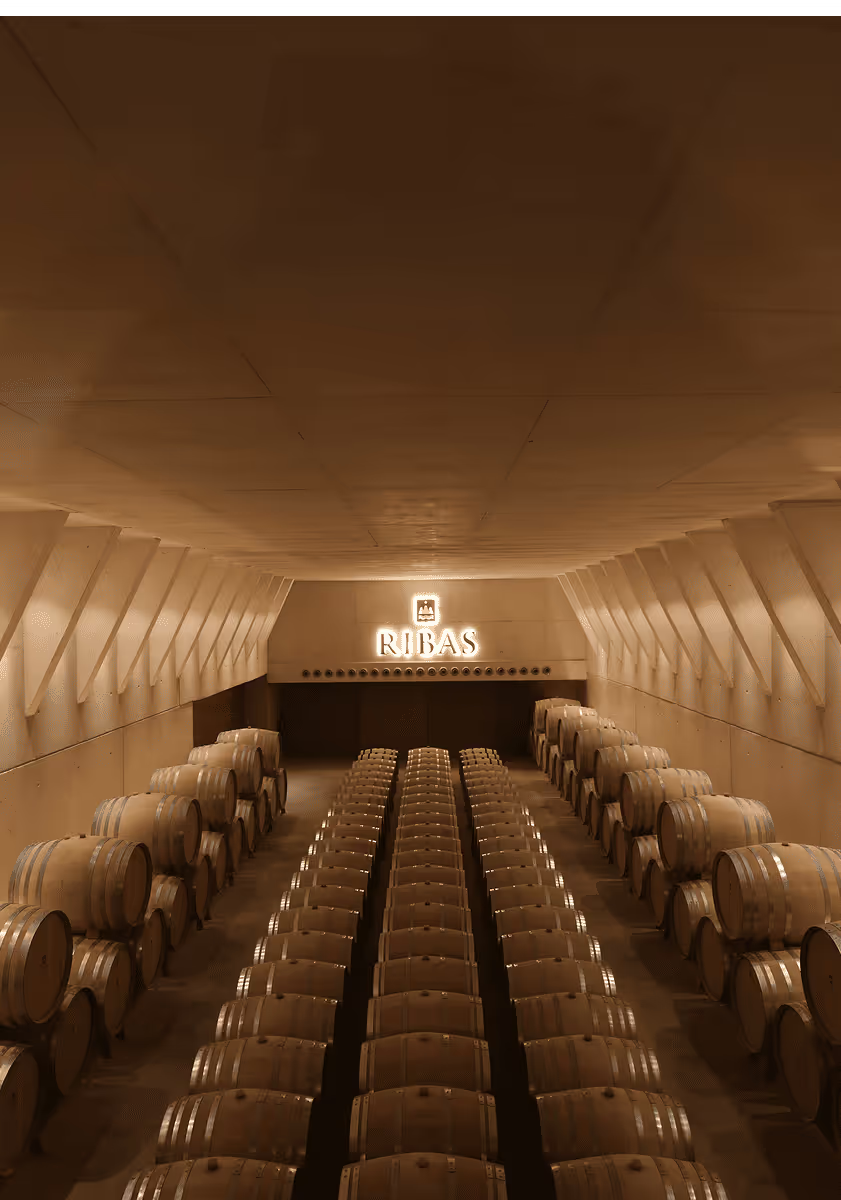
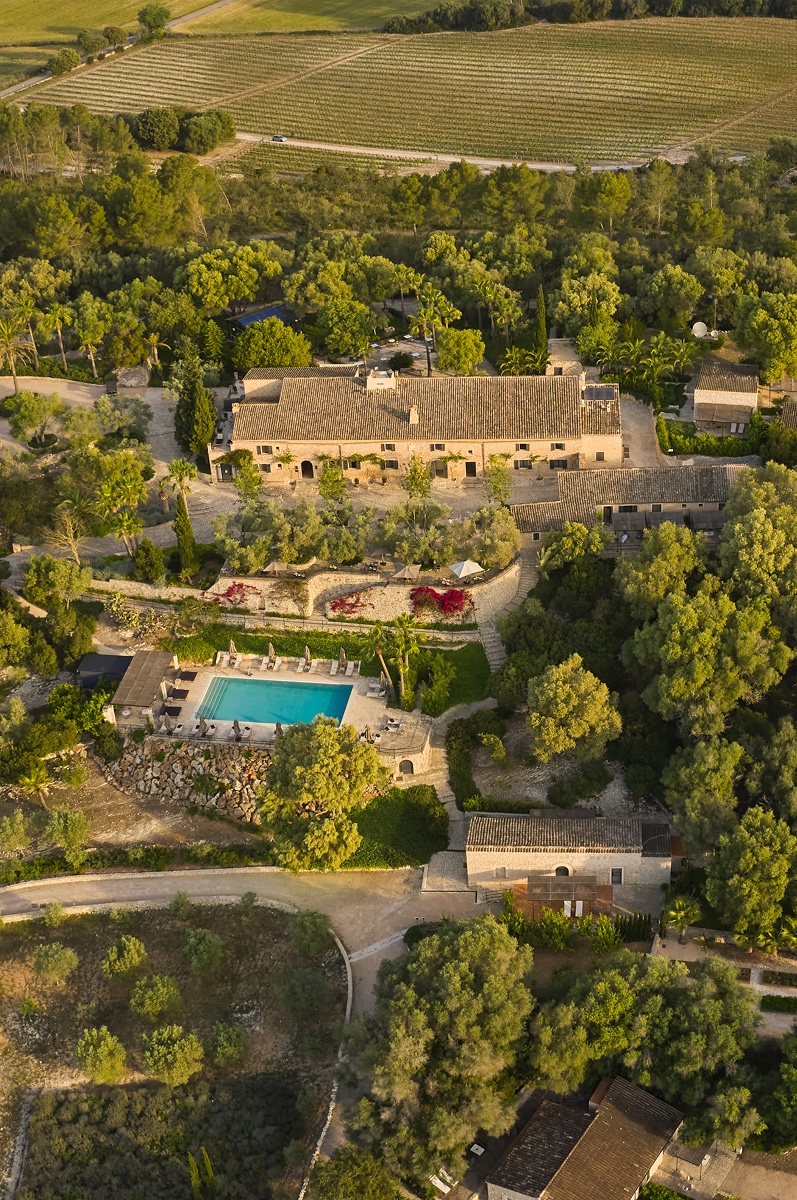
Oldest Winery On The Island · Bodegas
Bodega Ribas
Founded in 1711 by Pedro Ribas de Cabrera and run by the same family for ten generations, with a cellar extension by Rafael Moneo and guided visits booked online.
Binissalem itself celebrates the harvest every September with the Festa des Vermar, which in 2026 ran through most of the month for its 60th edition, with grape treading and a grape battle in the streets. For more wineries to visit, see our bodegas pages.
In Santa Maria del Camí, the Plaça Hostals has become a small design quarter. Two of our partners share it, and Restaurant 19 makes it a natural lunch stop.
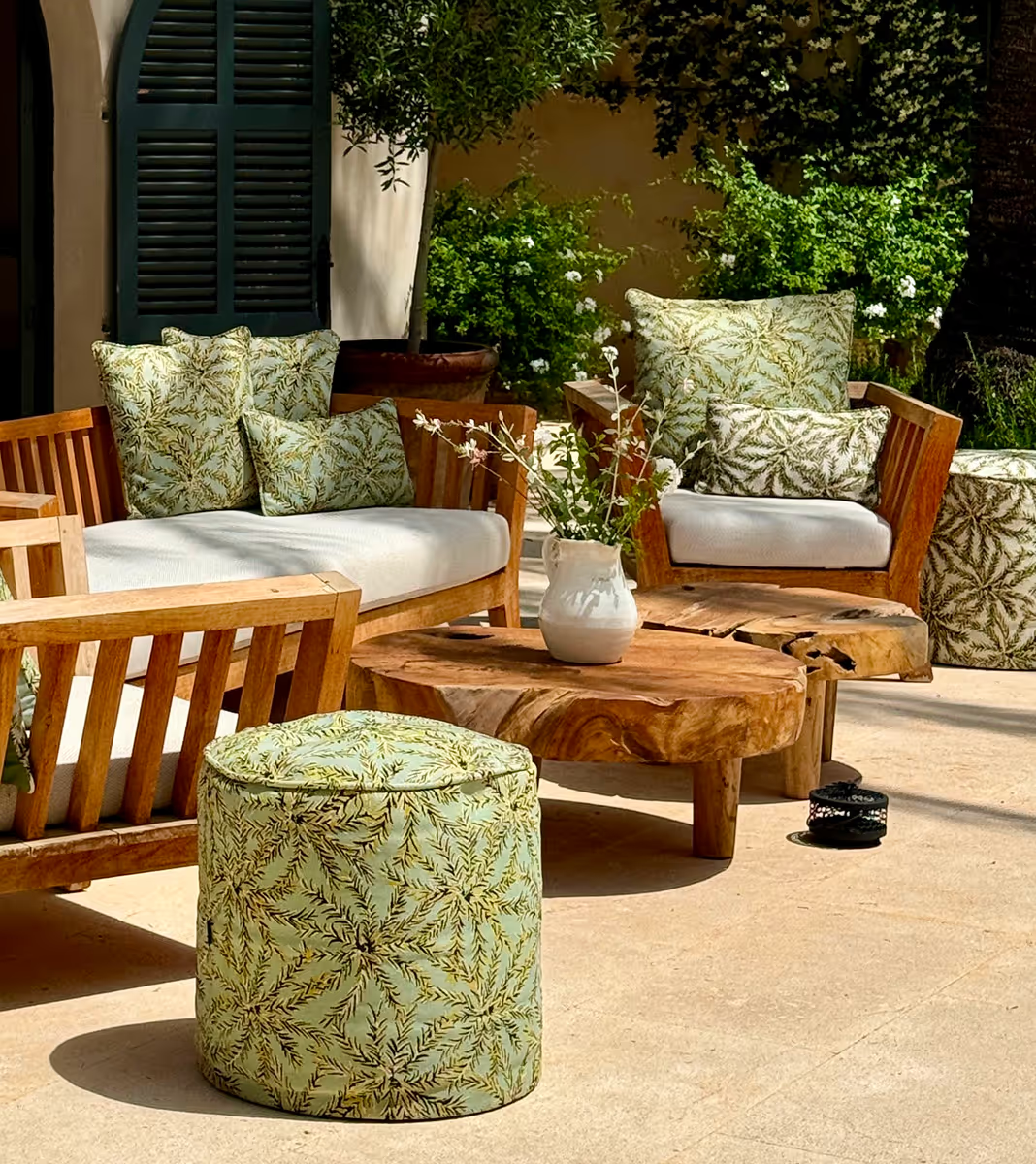
Furniture & Garden Dreams · Santa Maria del Camí
Livingdreams Mallorca
A 960 square metre showroom and show garden at Plaça Hostals 18 to 19, for furniture, lighting and outdoor living.
Garden Dining Done Right · Santa Maria del Camí
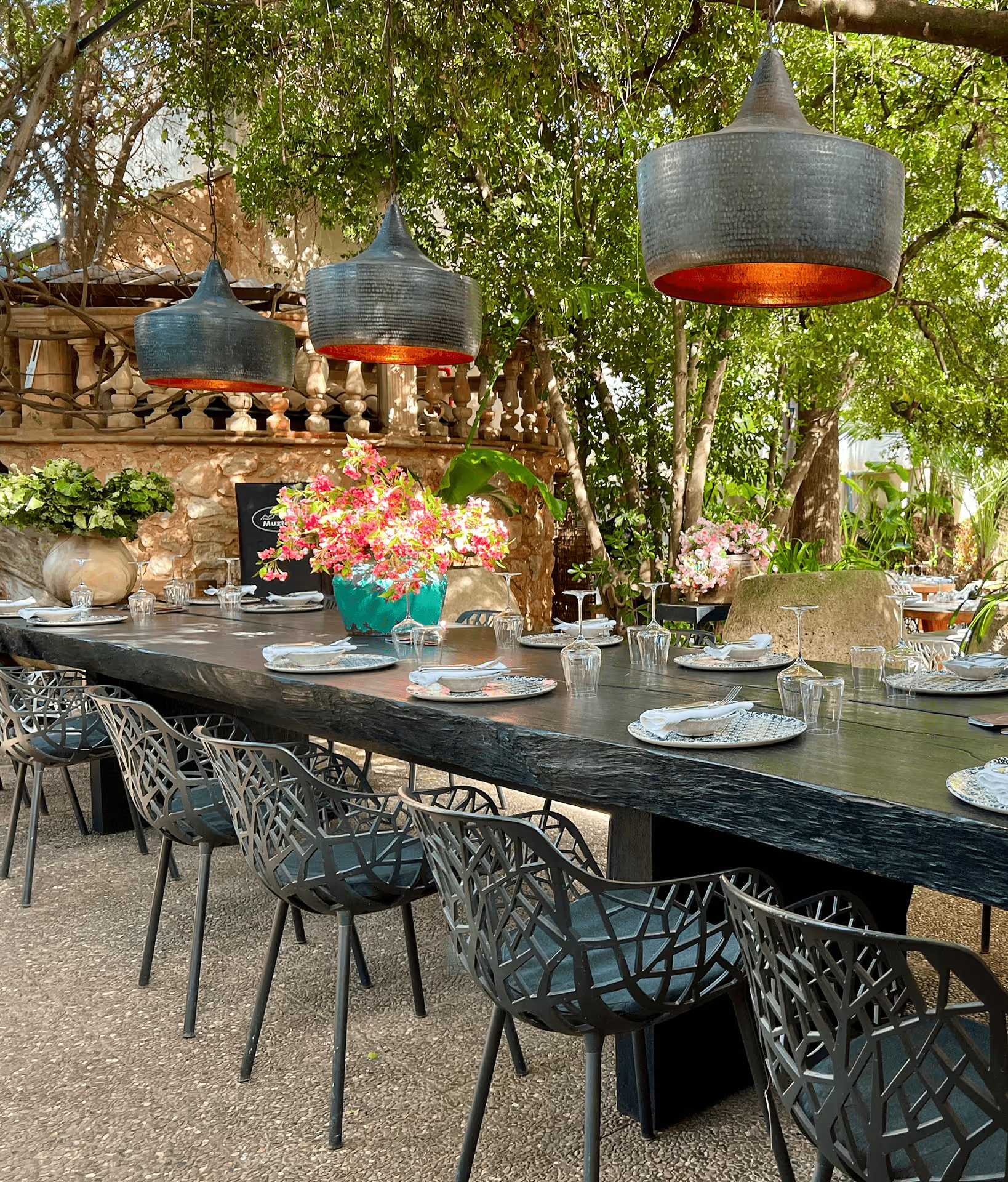
Restaurant 19 by Livingdreams
The restaurant next to the Livingdreams showroom, open Wednesday to Sunday for lunch and dinner in season; it closes for winter at the end of October.
Hand-Printed Wearable Art · Santa Maria del Camí
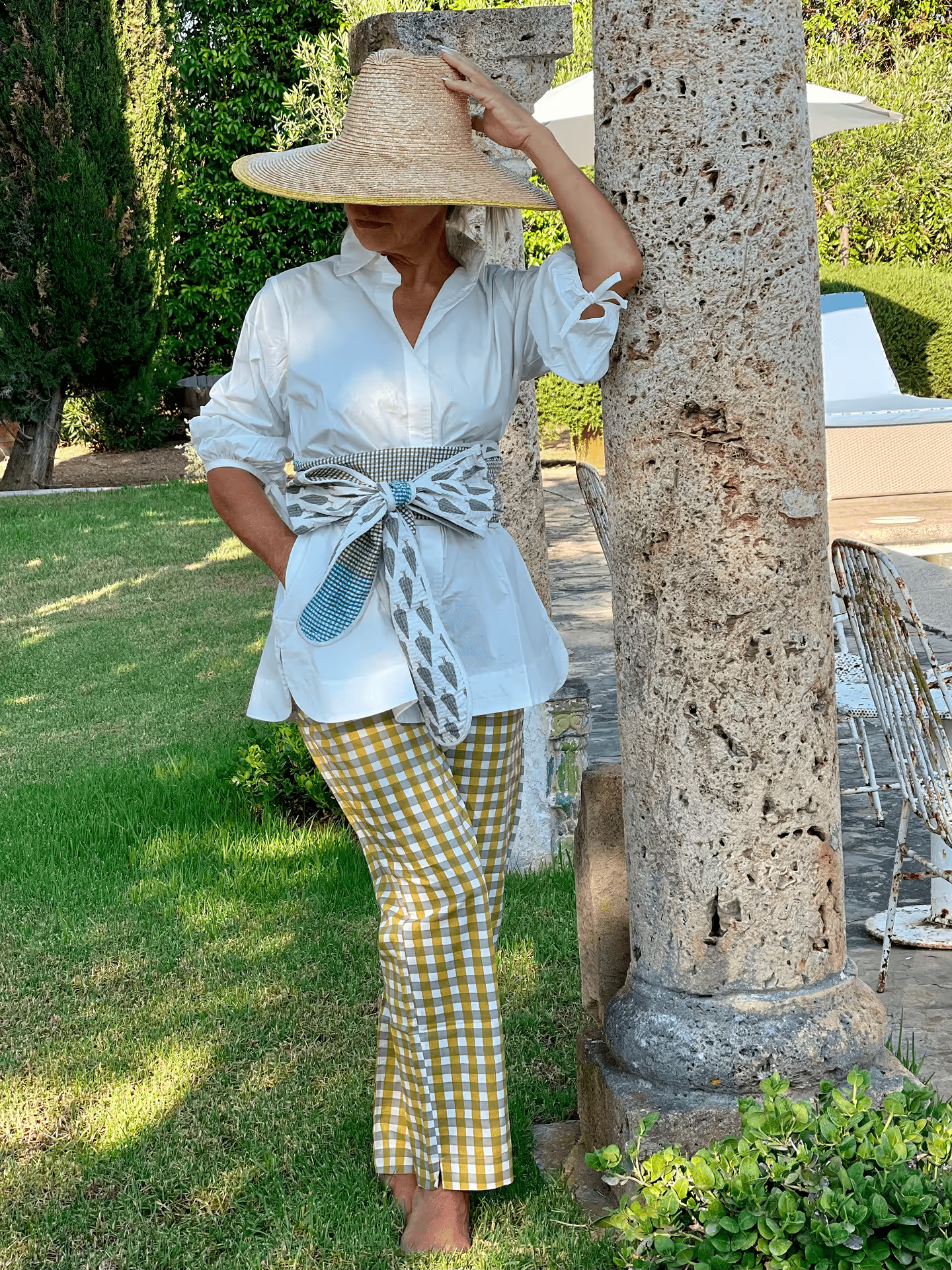
Alice von Baum
The flagship store at Plaça Hostals 10, for clothing, textiles and homewares made with local craftspeople.
Inca: the Thursday market and Dijous Bo
Inca grew rich on leather and shoes, and the trade still shows in the factory shops around town. Its Thursday market is one of the largest on the island, with clothing and leather as the biggest sections and fresh produce in front of the church of Santa Maria la Major.
Once a year the whole town becomes a fair. Dijous Bo, Mallorca's best known autumn fair, is held in mid November; in 2026 the town hall has set it for Thursday 19 November. Arrive early, ideally by train, because the roads into town fill fast.
Sineu and Petra
Sineu has traded on Wednesdays for centuries, and its market is still the island's most traditional, with a section for live animals. Stalls fill the streets around the large parish church. A short drive east, Petra is a quiet stone village where the Franciscan Junípero Serra, founder of the California missions, was born in 1713; his birth house is now a small museum with short opening hours, so check before you go.
Puig de Randa and the Santuari de Cura
Puig de Randa rises alone from the plain near Algaida, and a winding road climbs past three sanctuaries to the top. The highest, the Santuari de Cura, stands near the cave where, by tradition, the philosopher Ramon Llull found his illumination. A grammar school ran here from 1501 into the 19th century, and the small church dates from 1668. On a clear day you can see across the plain from the Tramuntana to the sea.
Can you swim or walk in central Mallorca?
There is no coast in the centre, so plan swims on the bay of Palma or the bay of Alcúdia, each a short drive away; many fincas and rural hotels have pools. Walking and cycling are what the centre does best.
- Puig de Randa: walk up through the terraces from Randa village to the sanctuaries, or drive up and walk between them.
- Wine country lanes: flat, quiet roads between Santa Maria, Consell, Binissalem and Sencelles, ideal by bicycle in spring and autumn.
- Almond blossom: in late January and February the orchards of Es Pla turn white and pink, the best reason to come in winter.
Which days are the markets in central Mallorca?
There is a market somewhere in the centre almost every day. These are the ones we would drive to; all are morning markets, and days can shift around holidays and fiestas.
| Day | Town | Known for |
|---|---|---|
| Wednesday | Sineu | The island's most traditional market, with livestock |
| Wednesday | Petra | Small village market, easy after Sineu |
| Thursday | Inca | The big one, strong on leather and clothing |
| Thursday | Consell | Village market in the wine country |
| Friday | Binissalem | Market in the wine town |
| Friday | Algaida | Village market at the foot of Puig de Randa |
| Sunday | Santa Maria del Camí | Village market close to Palma |
| Sunday | Consell (flea market) | The island's largest second-hand market |
Buy the produce of the plain: sobrassada, almonds, local cheese and the island's olive oil, which our guide to Mallorca olive oil explains. For the whole island day by day, see our guide to Mallorca's weekly markets.
Where should you eat, shop and stay in central Mallorca?
Eat at lunchtime, when the village restaurants are at their best. In Inca, look for the cellers, old wine-cellar restaurants with huge barrels along the walls and Mallorcan cooking. In Santa Maria, Restaurant 19 is our partner address in season. For more tables, see our restaurant recommendations, and for shopping beyond Plaça Hostals, our shopping guide.
Stay in a finca. The centre has many rural hotels and agroturismos, working farms that take guests, set among vineyards and almond groves. They give you space, a pool and quiet nights, with Palma and both bays within reach.
How do you get to central Mallorca, and when should you go?
Take the train or drive. Trains run from Plaça d'Espanya in Palma to Santa Maria, Consell, Binissalem, Lloseta and Inca, and the Manacor line continues to Sineu and Petra, so you can do a market morning without a car. For Puig de Randa, Sencelles and the wineries, you will need one.
September is the best month, with the harvest and the Vermar in Binissalem. Late January and February bring the almond blossom, April and May are ideal for cycling, and November brings Dijous Bo. July and August are hot on the plain, so keep the days short and the lunches long.
What does one perfect day in central Mallorca look like?
- 9:00 (a Wednesday): the market in Sineu, before the crowds.
- 11:00: on to Petra for a walk through the village and a look at Junípero Serra's birth house.
- 12:30: drive up Puig de Randa to the Santuari de Cura for the view across the island.
- 14:30: lunch in Santa Maria del Camí, at Restaurant 19 in season, then the shops on Plaça Hostals.
- 17:00: a booked tasting at Bodega Ribas in Consell.
- 19:00: back to Palma in 20 minutes, or stay the night in a finca among the vines.
Places in this story
Oldest Winery On The Island · Bodegas
Bodega Ribas
Founded in 1711 by Pedro Ribas de Cabrera and run by the same family for ten generations, with a cellar extension by Rafael Moneo and guided visits booked online.
Furniture & Garden Dreams · Santa Maria del Camí
Livingdreams Mallorca
A 960 square metre showroom and show garden at Plaça Hostals 18 to 19, for furniture, lighting and outdoor living.
Garden Dining Done Right · Santa Maria del Camí
Restaurant 19 by Livingdreams
The restaurant next to the Livingdreams showroom, open Wednesday to Sunday for lunch and dinner in season; it closes for winter at the end of October.
Hand-Printed Wearable Art · Santa Maria del Camí
Alice von Baum
The flagship store at Plaça Hostals 10, for clothing, textiles and homewares made with local craftspeople.
Questions readers ask
Which day is the Sineu market?
Sineu's market is held every Wednesday morning in the streets around the parish church. It is one of the oldest and most traditional on the island and still has a livestock section. Arrive early, as parking fills up as the morning goes on.
When is Dijous Bo in Inca in 2026?
Inca's town hall has set Dijous Bo for Thursday 19 November 2026. It is Mallorca's best known autumn fair, filling the whole town with stalls, crafts and local produce. Go by train from Palma, as the roads and car parks fill early.
Can you visit wineries around Binissalem?
Yes. The Binissalem denomination covers Santa Maria del Camí, Consell, Binissalem, Santa Eugènia and Sencelles, and many wineries take visitors by appointment. Bodega Ribas in Consell, founded in 1711, books guided visits online. Reserve a day ahead and do not drive after tasting.
Is central Mallorca worth visiting without a beach?
Yes. It is where Mallorca's wine, markets and village life are most alive, and it is only 20 to 40 minutes from Palma. Combine a market morning or a winery visit with a swim on the bay of Palma or Alcúdia in the afternoon.
Can you get to central Mallorca by train?
Yes. Trains from Plaça d'Espanya in Palma stop at Santa Maria, Consell, Binissalem, Lloseta and Inca, and the Manacor line continues to Sineu and Petra. A car is still needed for Puig de Randa, Sencelles and most wineries.
Sources and checks
- Mallorquissimo print guide
- DO Binissalem, official website
- Ajuntament de Binissalem: Festa des Vermar 2026 programme
- Ajuntament d'Inca: fairs and Dijous Bo
- Illes Balears tourism board: Santuari de Nostra Senyora de Cura
- TIB, Mallorca public transport: train lines
- BOIB: Inca Thursday market regulation, 2020
- Bodega Ribas: history
- Livingdreams and Restaurant 19
- Alice von Baum: Santa Maria store
About the author