Explore the islandPlaces
Palma guide: neighbourhoods, cathedral, markets and city beaches
Mallorca's capital is best taken slowly and on foot: an old town of courtyards and Gothic stone, market bars where the city eats, and a seafront that runs from the cathedral to the fishermen's quarter of Portixol.
 Placeholder image
The short answer
Palma rewards two or three days on foot. Start in the old town with the cathedral and La Llotja, lunch at the Santa Catalina market bars, walk the seafront to Portixol and Es Molinar for an evening by the water, and climb to Bellver Castle for the view over the bay. Spring and autumn are the best months.
Key takeaways
- The old town, La Llotja, Santa Catalina and Portixol each give Palma a different character; stay in the one that fits your trip.
- The cathedral's winter visiting timetable starts in early November, and its roof terraces open from May.
- Palma's market halls trade Monday to Saturday and close on Sundays.
- Can Pere Antoni, Portixol and Ciutat Jardí are city beaches you can walk or cycle to along the seafront.
- Bellver Castle, a round fortress from the early 14th century, holds the city's history museum and the best view of the bay.
On this page
- What is Palma like, and who does it suit best?
- Which Palma neighbourhoods are worth knowing, and what are they for?
- What should you see first in Palma's old town?
- Which markets in Palma are worth a morning?
- Can you swim in Palma, and which city beaches are best?
- Where should you stay in Palma?
- Where should you eat and shop in Palma?
- How do you get to Palma and get around the city?
- When is the best time to visit Palma?
- What does one perfect day in Palma look like?
Palma is the easiest city in the Mediterranean to fall for in a weekend. Walk the old town in the morning, eat at a market counter at lunchtime, swim at a city beach in the afternoon and end the day on the waterfront at Portixol. Give it two or three days and do most of it on foot.
This guide is our own selection, built on our print guide and rechecked for today. Venues are named where they are public places or Mallorquissimo partners; everything else we leave to your own discovery.
What is Palma like, and who does it suit best?
Palma is a working capital, not a resort, and that is its charm. It suits travellers who like architecture, food and walking, and it is the natural base for anyone relocating to Mallorca, with schools, clinics and year-round life.
The city wraps around a wide bay. The Gothic old town rises behind the cathedral, the seafront promenade runs east and west, and the Serra de Tramuntana fills the horizon to the north. In winter it stays fully alive, which cannot be said of most of the coast.
Which Palma neighbourhoods are worth knowing, and what are they for?
Five areas cover most of what visitors and new residents want. Each has a distinct rhythm, so choose your base by how you want to spend your evenings.
| Neighbourhood | Character | Best for |
|---|---|---|
| Old town (Ciutat Antiga) | Gothic lanes, palace courtyards, the cathedral | Sightseeing, shopping, a first stay |
| La Llotja and the Born | Old merchants' quarter around the Passeig del Born | Evenings out, galleries, dinner |
| Santa Catalina | Former fishermen's district with the oldest market | Market mornings, bars, an international crowd |
| Portixol and Es Molinar | Small harbour and seafront village east of the centre | A calm stay by the sea, cycling, sunsets |
| Son Armadams and the Passeig Marítim | Residential streets above the marina and the bay | Views of the boats, easy access west |
The old town and La Llotja
The old town is the reason to come: narrow streets, carved doorways and courtyards you glimpse through open gates. To the west, La Llotja takes its name from the Gothic exchange that Guillem Sagrera built for the island's merchants in the 15th century. Today the Govern uses the building for contemporary art exhibitions, and the lanes around it fill with bars in the evening.
Carrer de Sant Feliu, just off the Passeig del Born, is the street we send people to first. It is lined with old palaces, and two of our partners have made it their home.
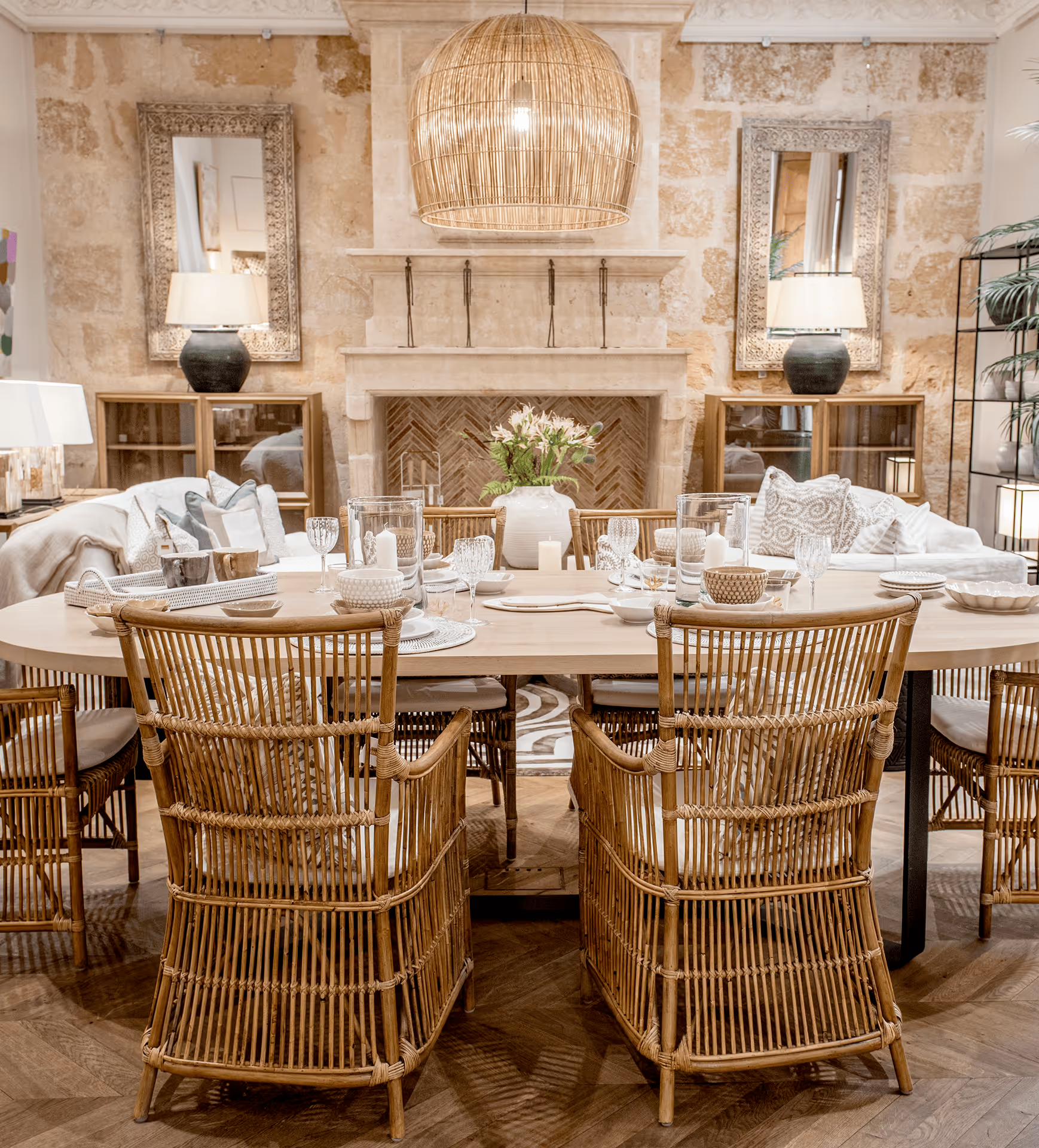
Palma's Living Room · Palma
Rialto Living
A lifestyle store in a 15th-century palace at Carrer de Sant Feliu 3, with fashion, interiors, books, a gallery and Café Rialto on the ground floor.
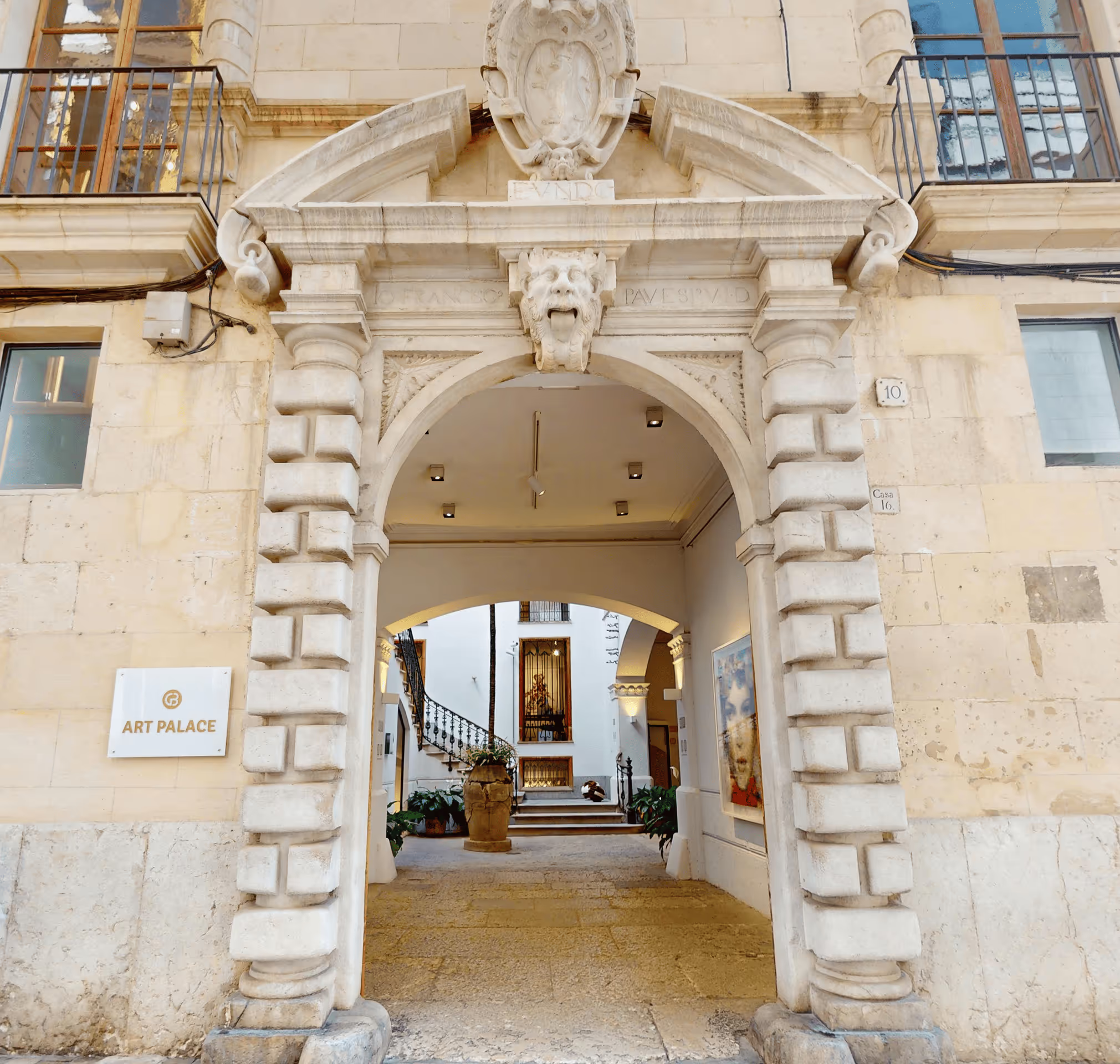
World Art, Palace Setting · Gallery
Gerhardt Braun Gallery
The gallery's Art Palace at Carrer de Sant Feliu 10 and its smaller spaces along the same street make an afternoon of contemporary art in one walk.
Santa Catalina
West of the old town, across the Sa Feixina park, Santa Catalina began as a quarter of fishermen and millers outside the walls. Its market is the oldest in the city and its main street, Carrer de la Fàbrica, is lined with terraces. Our guide to Santa Catalina and its market has the full morning.
Portixol, Es Molinar and Son Armadams
East of the cathedral, the seafront promenade leads to Portixol, a small harbour of fishing boats, and on to Es Molinar, a row of low fishermen's houses facing the sea. It feels like a village a few minutes from the centre. West of the old town, Son Armadams climbs the slope above the Passeig Marítim, with views over the marina.
What should you see first in Palma's old town?
See the cathedral first, then choose between art and history. Everything below is within walking distance, except Bellver and the Miró foundation, which are a short taxi or bus ride west.
- The cathedral (La Seu): the great Gothic church on the sea wall. Between 1904 and 1915 Antoni Gaudí reorganised its interior, moving the choir and opening up the space and light. The visiting timetable changes with the season, with winter hours from 2 November, and the roof terraces open from May. Buy tickets on the cathedral's official site.
- Bellver Castle: a round castle built for King Jaume II from around 1300 on a wooded hill west of the centre. It houses the city's history museum, and the view across the bay from its walls is the best in Palma.
- Es Baluard: the museum of modern and contemporary art, set in a Renaissance bastion on the old city wall, with an outdoor sculpture collection. It opens Tuesday to Sunday and is closed on Mondays.
- Miró Mallorca Fundació: the studios where Joan Miró worked in his later years, above Cala Major, including the Taller Sert designed by his friend Josep Lluís Sert. Son Boter, the farmhouse studio, is temporarily closed for restoration.
For the city's galleries and the artists we work with, see our art pages. Our guide to Mallorca's museums covers the rest of the island.
Which markets in Palma are worth a morning?
Two covered halls and one organic market cover it. All are morning affairs and all close on Sundays.
| Market | Days | Good for |
|---|---|---|
| Mercat de l'Olivar, Plaça de l'Olivar | Monday to Saturday | The city's main hall: fish, meat, produce and food bars |
| Mercat de Santa Catalina, Plaça de la Navegació | Monday to Saturday (fish counters closed Mondays) | Smaller, high quality, Saturday bar counters |
| Organic market, Plaça del Bisbe Berenguer de Palou | Tuesday and Saturday mornings | Certified organic produce from island growers |
If the market bug bites, our day by day guide to Mallorca's weekly markets tells you which town to drive to next.
Can you swim in Palma, and which city beaches are best?
Yes. Palma has sandy beaches inside the city, and the seafront path links most of them, so you can walk or cycle from the cathedral to a swim.
- Can Pere Antoni: the closest beach to the old town, a few minutes east of the cathedral along the promenade.
- Portixol and Es Molinar: small beaches beside the harbour, best for a late afternoon swim followed by an aperitif.
- Ciutat Jardí and Cala Estància: further east, quieter and popular with local families, on the way to the long Platja de Palma.
- Cala Major: west of the centre, below the Miró foundation, a small bay with a residential feel.
Where should you stay in Palma?
Stay in the old town for a first visit and in Portixol for a slower stay by the sea. These are the two addresses we recommend; our hotel selection has more across the island.
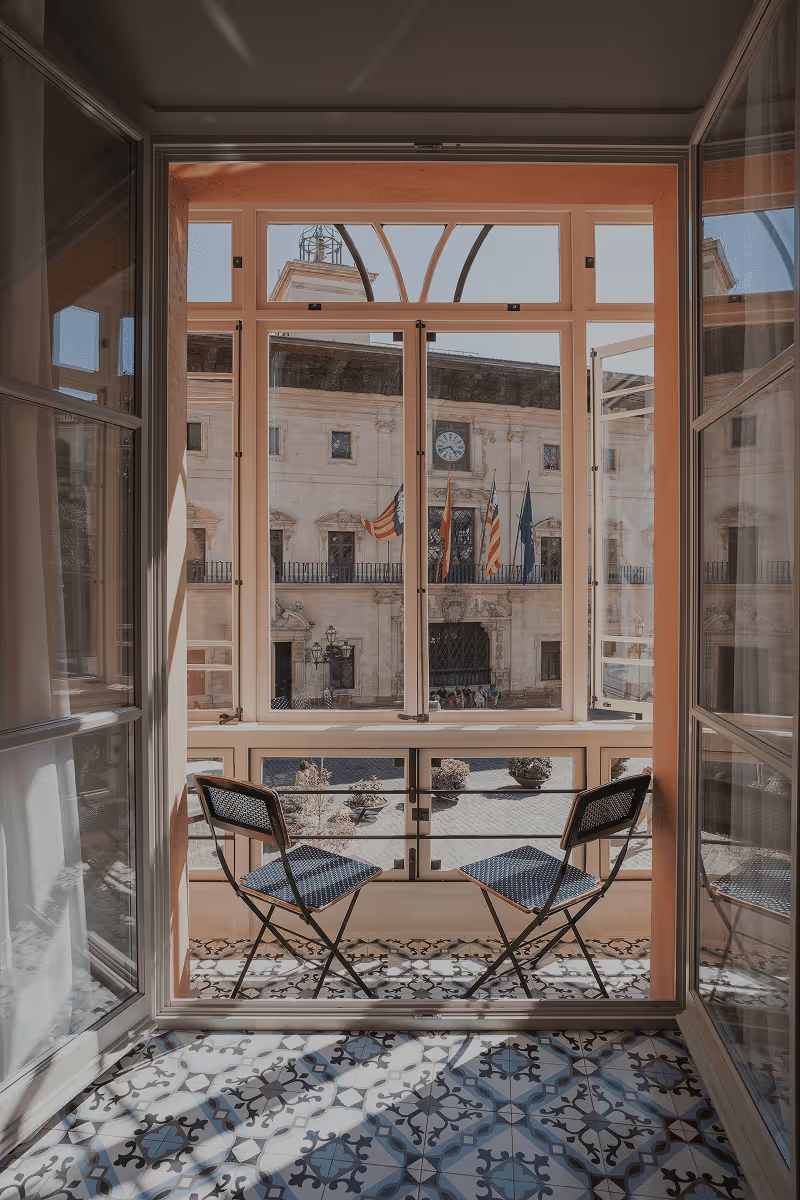
Palma From Km Zero · Hotels
Hotel Cappuccino Palma
A five-star hotel on Plaça de Cort, at the city's kilometre zero, with interiors by Jacques Grange and a rooftop pool terrace over the old town.
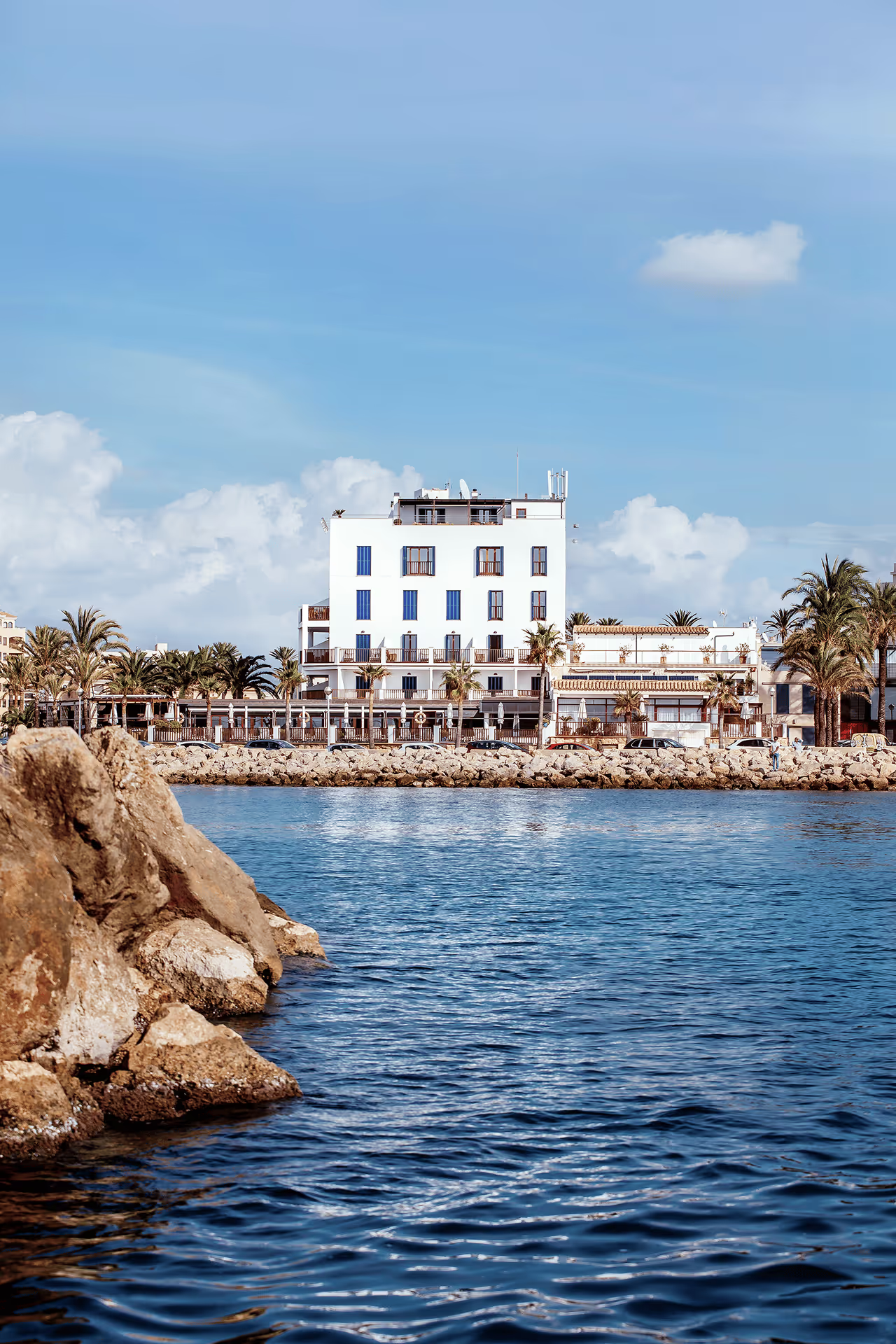
Calm By The Sea · Hotels
Portixol Hotel & Restaurant
One of Mallorca's first boutique hotels, on Carrer Sirena by the Portixol harbour, with a restaurant and spa between the sea and the city.
Otherwise, look at the small palace hotels in the old town for atmosphere, or the hotels along the Passeig Marítim for views over the marina.
Where should you eat and shop in Palma?
Eat at the market counters at lunchtime and in La Llotja or Santa Catalina in the evening. For a coffee on the move, Cappuccino Grand Café has several branches in the centre, including on the Born, Plaça de Cort and at the Palau March. Café Rialto, inside Rialto Living, serves home-made food all day on the ground floor of the palace.
Try an ensaïmada, the island's spiral pastry, at breakfast, and a pa amb oli, bread with tomato, olive oil and cured meat or cheese, at any hour. For our full selection of tables, see our restaurant recommendations.
For shopping, the streets between the Born and Jaume III have the fashion houses, while the old town's side streets hold the independent shops. Down at Portixol, Livingdreams has opened a showroom for furniture and garden pieces at the harbour.
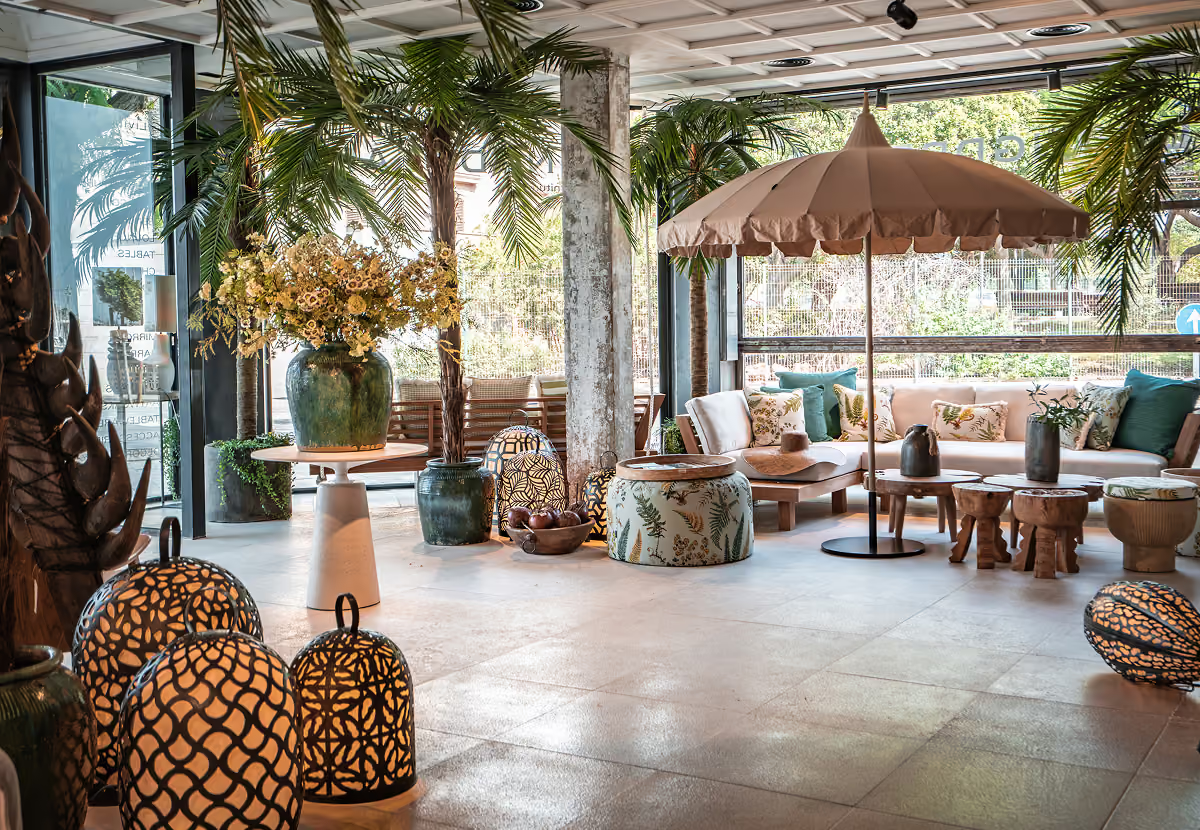
Furniture & Garden Dreams · Palma - Portixol
Livingdreams Portixol
A 400 square metre showroom and signature store at Carrer de Llucmajor 1, by the Portixol harbour, for furniture, lighting and outdoor living; hours vary by season.
How do you get to Palma and get around the city?
Palma's airport is on the eastern edge of the city, so the centre is a short taxi ride away. EMT, the city bus company, runs a dedicated airport line, the A1, into the centre; check its current timetable before you land.
Inside the city, walk. The old town is compact and parking is scarce. The seafront path is ideal by bicycle, and trains to Inca, Sóller and the centre of the island leave from Plaça d'Espanya. A car only earns its keep for day trips.
When is the best time to visit Palma?
April to June and September to November. The weather is warm enough for the beach, the streets are comfortable to walk and the cathedral is less crowded. Palma is one of the few places on the island that is just as good in winter, when the city is at its most local; the feast of Sant Sebastià, the city's patron saint, falls on 20 January.
What does one perfect day in Palma look like?
- 9:00: coffee and an ensaïmada in the old town, then the cathedral as it opens.
- 11:00: walk through the old town to Carrer de Sant Feliu for the galleries and Rialto Living.
- 13:00: lunch at the bar counters of the Santa Catalina market, followed by a stroll up to the windmills of Es Jonquet.
- 16:00: taxi up to Bellver Castle for the museum and the view over the bay.
- 18:30: walk or cycle the seafront east to Portixol for a swim and an aperitif by the harbour.
- 21:00: dinner by the water in Portixol, or back in La Llotja for a late table.
Places in this story
Palma's Living Room · Palma
Rialto Living
A lifestyle store in a 15th-century palace at Carrer de Sant Feliu 3, with fashion, interiors, books, a gallery and Café Rialto on the ground floor.
Coffee Inside A Palace · Palma
Café Rialto
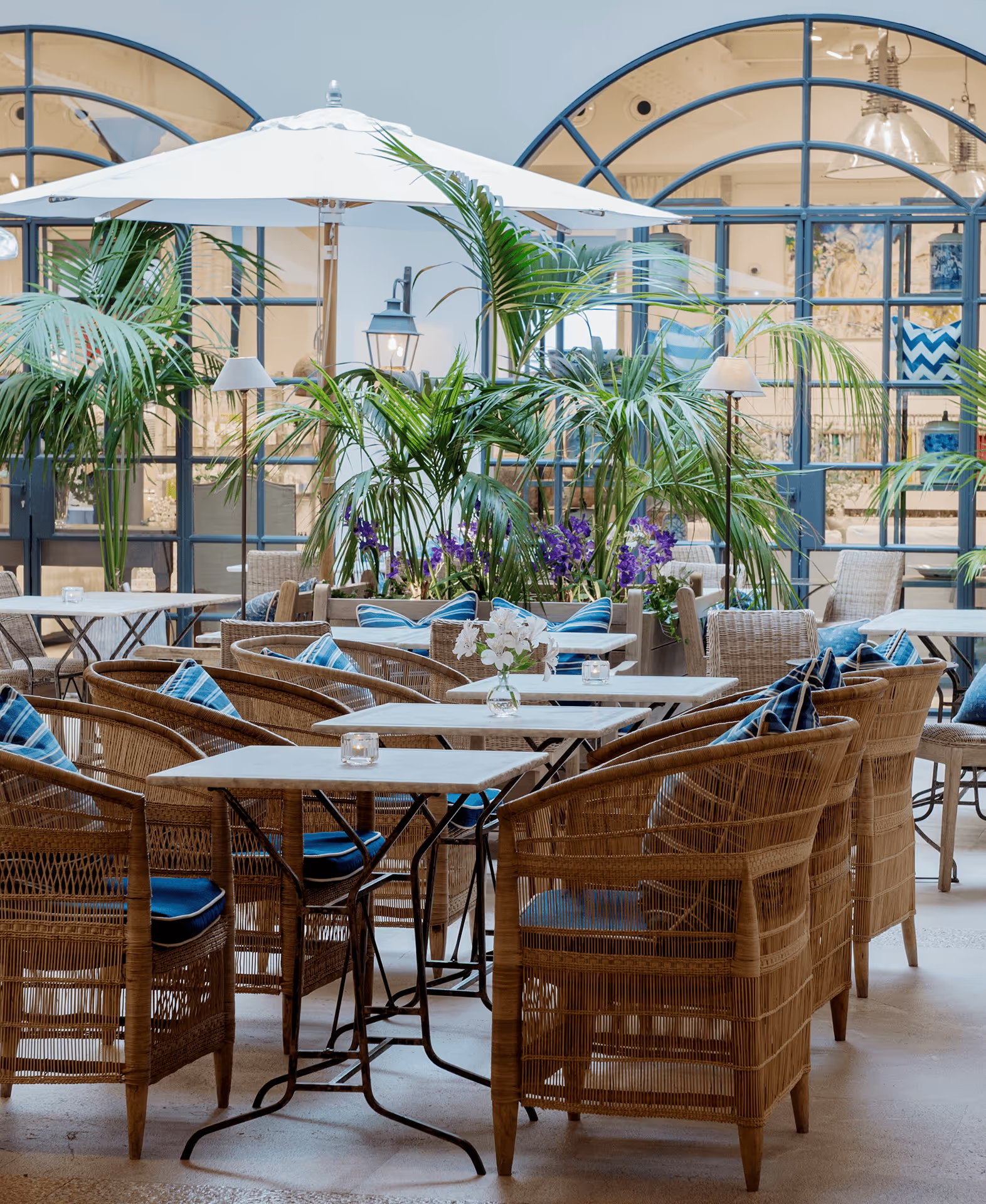
Offering a relaxing sanctuary from the bustling city, Café Rialto serves drinks and food all day long, bathed in natural light from above. Breakfast, cakes, cookies, daily lunch or just a glass of wine. Inside Rialto Living.
World Art, Palace Setting · Gallery
Gerhardt Braun Gallery
The gallery's Art Palace at Carrer de Sant Feliu 10 and its smaller spaces along the same street make an afternoon of contemporary art in one walk.
Palma From Km Zero · Hotels
Hotel Cappuccino Palma
A five-star hotel on Plaça de Cort, at the city's kilometre zero, with interiors by Jacques Grange and a rooftop pool terrace over the old town.
Calm By The Sea · Hotels
Portixol Hotel & Restaurant
One of Mallorca's first boutique hotels, on Carrer Sirena by the Portixol harbour, with a restaurant and spa between the sea and the city.
Always The Right Spot · Palma / Puerto de Andratx / Puerto Portals / Puerto Pollença / Valldemossa
Cappuccino Grand Café
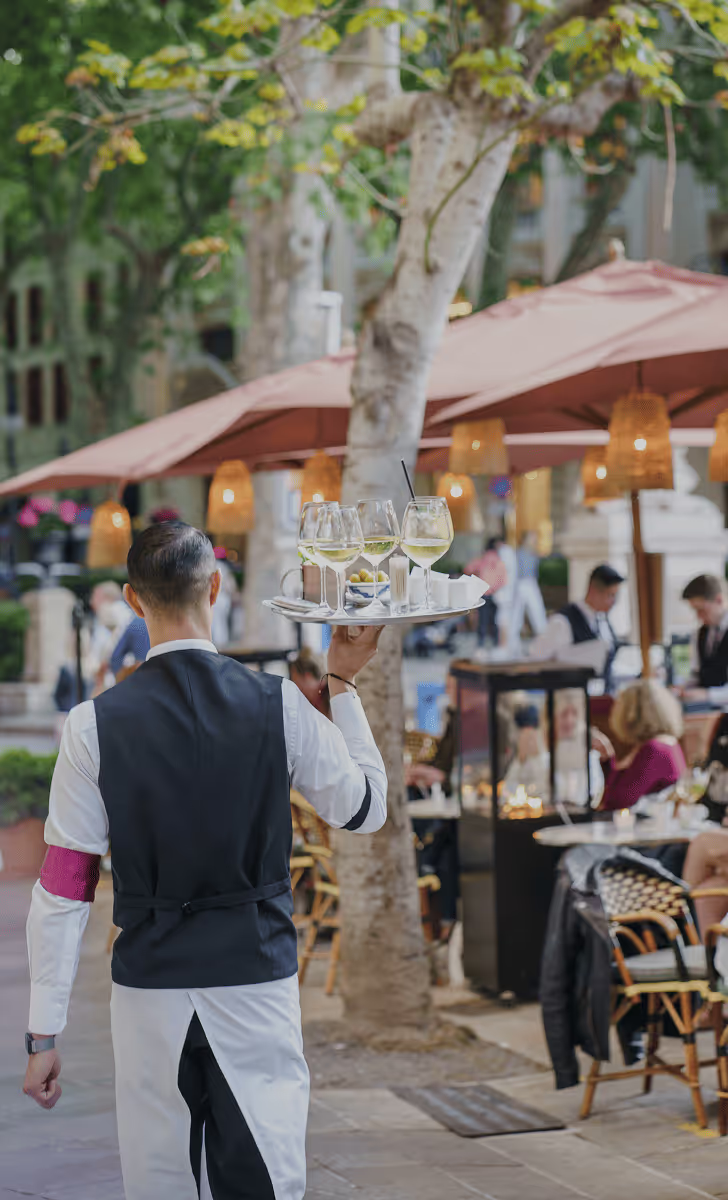
From breakfast to dinner, through brunch, tea time and cocktail time, at Cappuccino they make you feel at home, in prime locations.
Furniture & Garden Dreams · Palma - Portixol
Livingdreams Portixol
A 400 square metre showroom and signature store at Carrer de Llucmajor 1, by the Portixol harbour, for furniture, lighting and outdoor living; hours vary by season.
Questions readers ask
How many days do you need in Palma?
Two or three days is right for most visitors. One day covers the cathedral, the old town and a market lunch; a second adds Bellver Castle, the museums and the seafront to Portixol. A third lets you slow down and swim.
Is there a beach in Palma city?
Yes. Can Pere Antoni is a few minutes east of the cathedral, and further along the seafront are the small beaches of Portixol and Es Molinar, then Ciutat Jardí and Cala Estància. Cala Major lies west of the centre. After heavy rain, check the flag before swimming.
What is the best area to stay in Palma?
Stay in the old town for a first visit, close to the cathedral, shops and restaurants. Choose Portixol or Es Molinar for a calmer stay by the sea, a short walk or cycle from the centre. Santa Catalina suits those who want bars and restaurants on the doorstep.
Are Palma's markets open on Sundays?
No. The Mercat de l'Olivar and the Mercat de Santa Catalina trade Monday to Saturday and close on Sundays. The organic market on Plaça del Bisbe Berenguer de Palou runs on Tuesday and Saturday mornings.
Can you visit Palma Cathedral's roof?
Yes, in season. The cathedral opens its roof terraces from May, when visitors can walk among the flying buttresses. Book through the cathedral's official ticket site, and check the timetable, which changes in early November for winter.
Sources and checks
- Mallorquissimo print guide
- Catedral de Mallorca, official website
- Catedral de Mallorca: Gaudí accessible visit guide (2026)
- Ajuntament de Palma: Castell de Bellver
- Govern de les Illes Balears: La Llotja de Palma
- Es Baluard Museu d'Art Contemporani de Palma
- Miró Mallorca Fundació
- Mercat de l'Olivar, official website
- Mercat de Santa Catalina, opening hours
- Hotel Cappuccino Palma
- Hotel Portixol
- Rialto Living
- Gerhardt Braun Gallery
- Livingdreams
- Cappuccino Grand Café: locations
About the author